

Intellectual Self-defense
How to recognize manipulation, propaganda, emotional framing, social pressure, censorship, and institutional nudging.
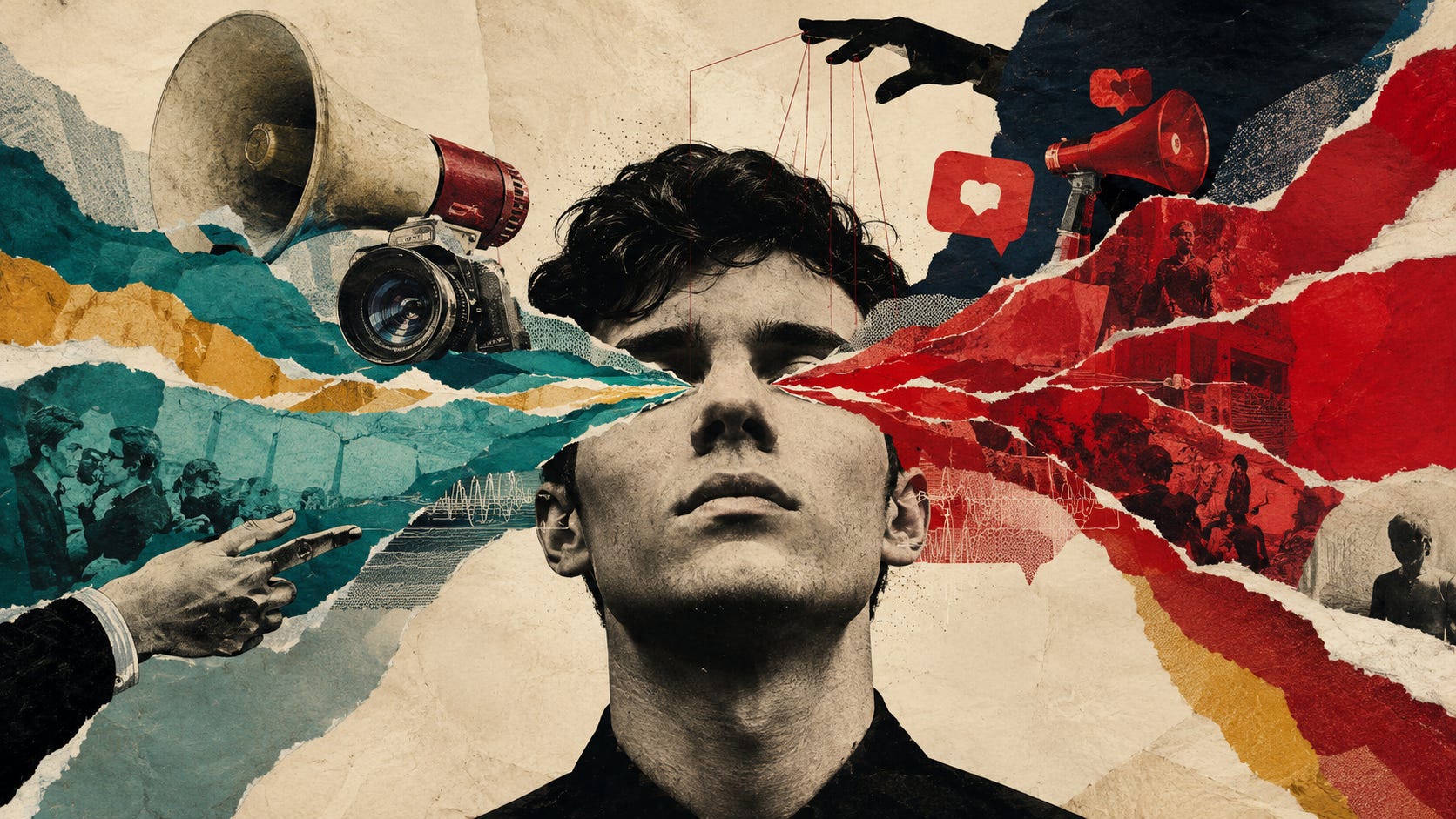
Your mind is valuable territory.
Governments, media institutions, corporations, activists, algorithms, advertisers, and social groups all compete to shape what you notice, what you fear, what you desire, what you believe, and what you are willing to say.
Some influence is obvious. Much of it is not.
Intellectual self-defense is the practice of guarding your mind against manipulation while staying capable of honest learning. It is not paranoia. It is not reflexive contrarianism.
It is the disciplined habit of asking: who is trying to move my mind, and how?
What you will find here
Posts in this section will help you:
Recognize propaganda and emotional framing
Understand social pressure and conformity
Detect censorship, taboo management, and Overton-window control
Notice when language is being used to limit thought
Understand institutional nudging and behavioral manipulation
Protect your attention from people who want to use it
Stay mentally independent without becoming cynical or bitter
Core questions
Intellectual self-defense begins with questions like:
Why am I being shown this now?
What emotion is this trying to create?
What am I being discouraged from asking?
Which conclusion is being made socially expensive?
What words are doing the work of argument?
Is this persuasion, information, intimidation, or social conditioning?
What would I think if no one were watching?
Becoming capable of intellectual self-defense means saying goodbye to living in fear of being influenced. Become the kind of person who notices influence and who can make conscious choices.